Marine electronics
Multifunction displays, fishfinders, transducers and NMEA networks — the specification questions that used to land on the Coomera wholesale desk.
Coomera-bred topic, rebuilt as a journal
The old AM Wholesale desk at The Boat Works sold electronics, lighting, watermakers and night-vision kit to yards and skippers. This site keeps that beat: long guides for people specifying, installing and buying marine systems in Australia.
Browse every marine equipment guideStart with marine electronics
Topic hubs
Multifunction displays, fishfinders, transducers and NMEA networks — the specification questions that used to land on the Coomera wholesale desk.
AIS carriage, dome versus open-array radar, east-coast autopilots and the chart cards Australian skippers actually trust.
Underwater LEDs, COLREGs navigation lights, courtesy circuits and the floodlights Australian night fishers actually use.
Victron-style systems, lithium versus AGM, inverter sizing and dual-battery setups for Australian trailer boats and liveaboards.
How Australian cruisers choose, maintain and size reverse-osmosis desalination — including the Blue Water and Pacific Light families the old desk imported.
VHF and DSC licensing, AMSA EPIRB rules, night vision, and the satellite choices Australian boats now actually make.
Built around the questions Australian skippers and marine traders actually search: what to spec, what the rules are, and what fails in tropical water.
The old AM Wholesale desk existed because yards buy in cartons and specifications, not in weekend specials. This is how a reseller still thinks.
Read Marine wholesale buying for Australian dealers and yards
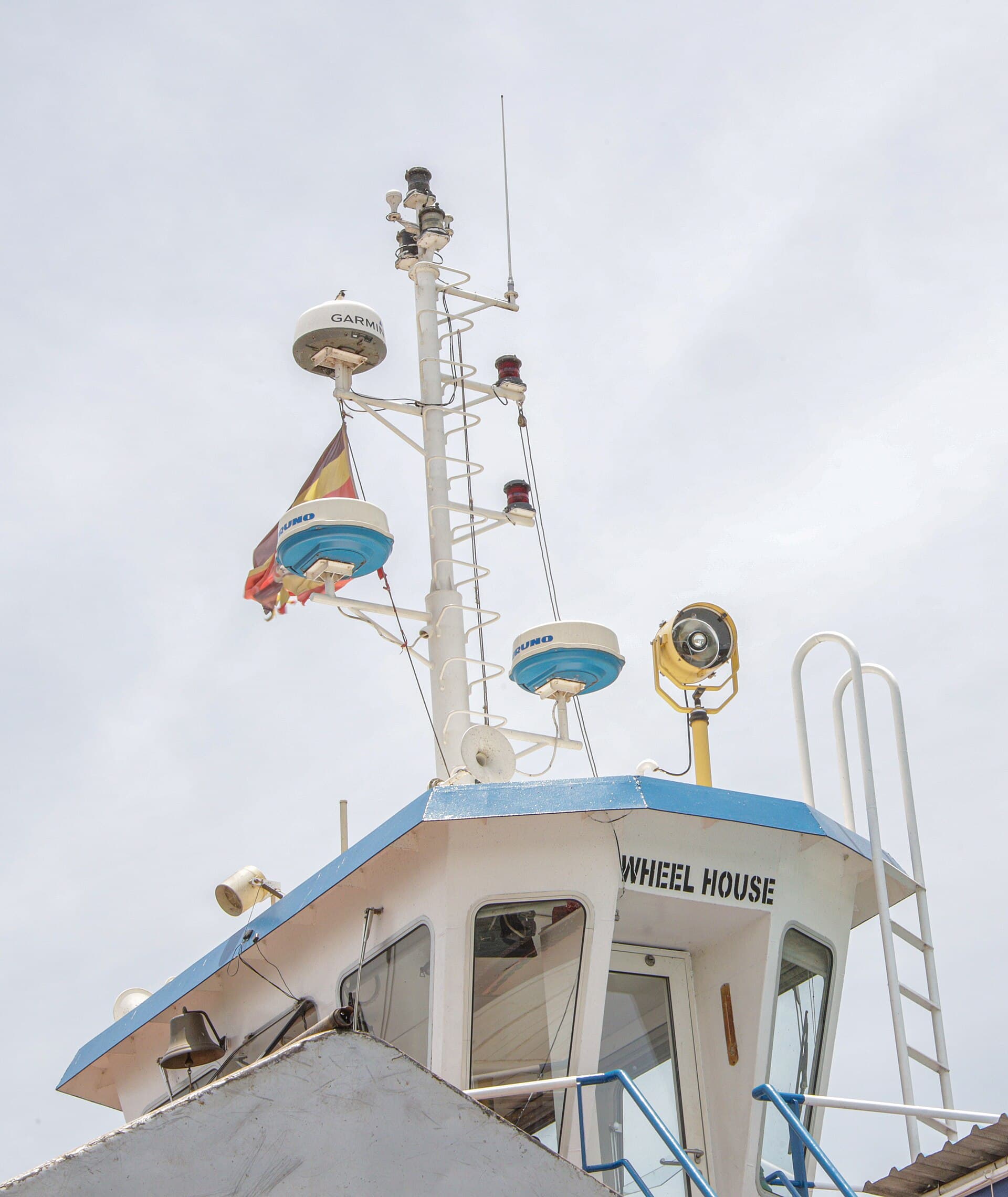
Starlink changed the coastal internet argument. Iridium still owns the distress-and-truly-offshore argument. Many Australian cruisers now carry both.
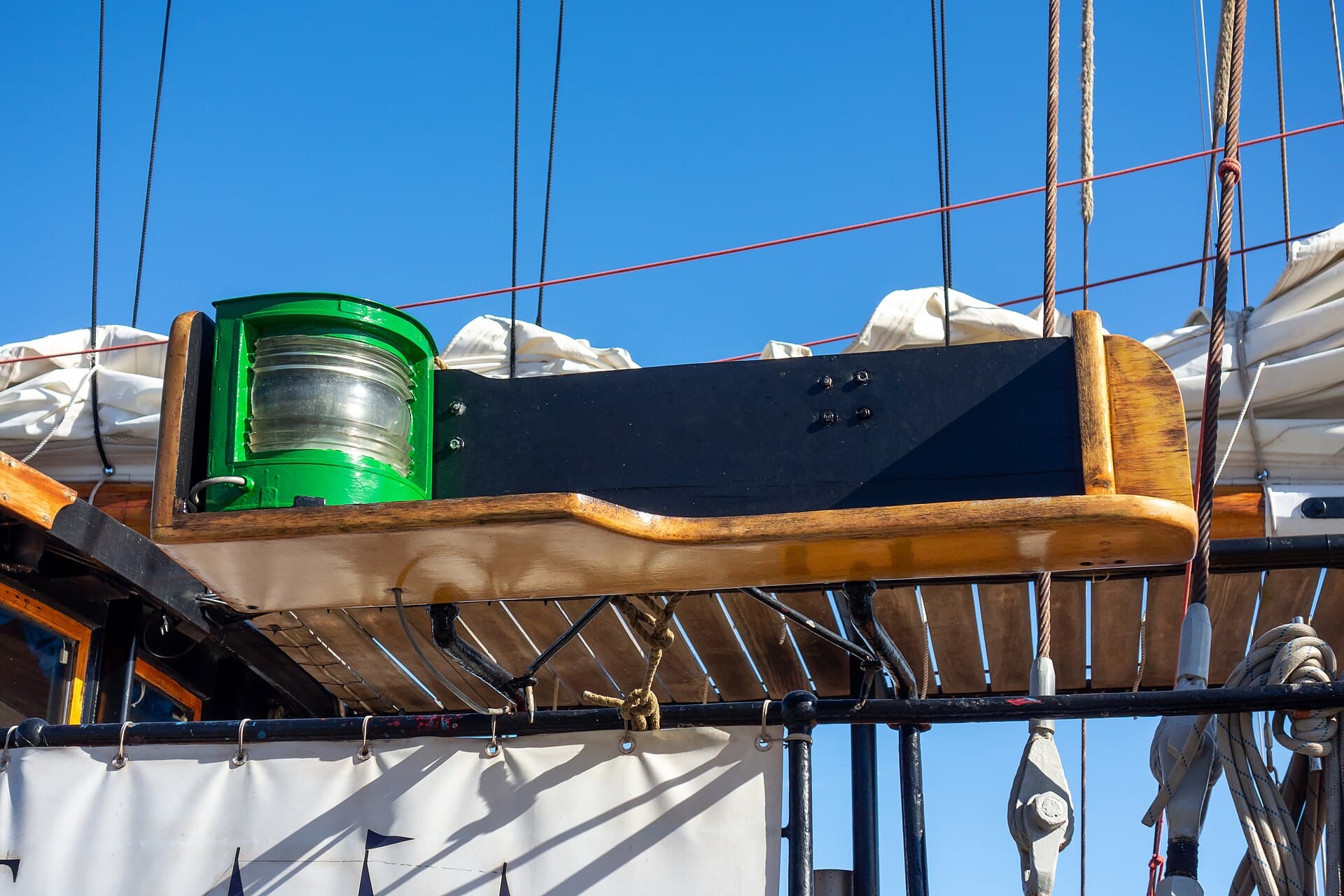
Low-light cameras show a scene. Thermal cameras show heat. Iris-style marine cameras earn a place on a night run; they do not replace a lookout or a radar.
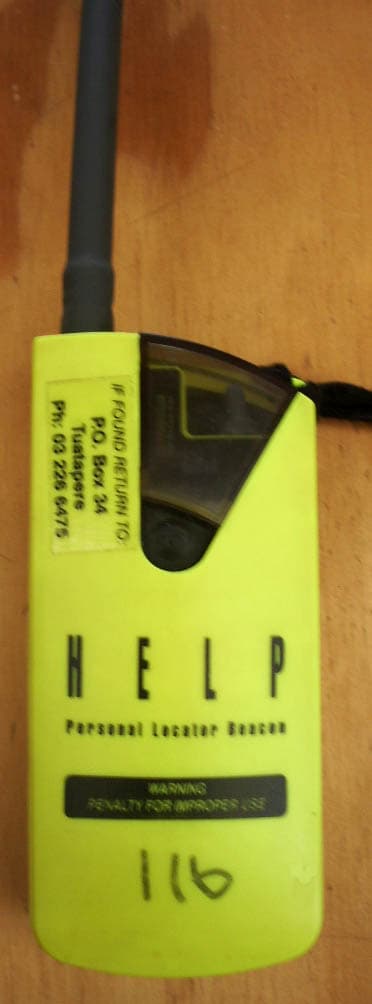
An EPIRB belongs to the boat. A PLB belongs to a person. Registration, expiry and a 406 MHz beacon that AMSA knows about are the whole conversation.
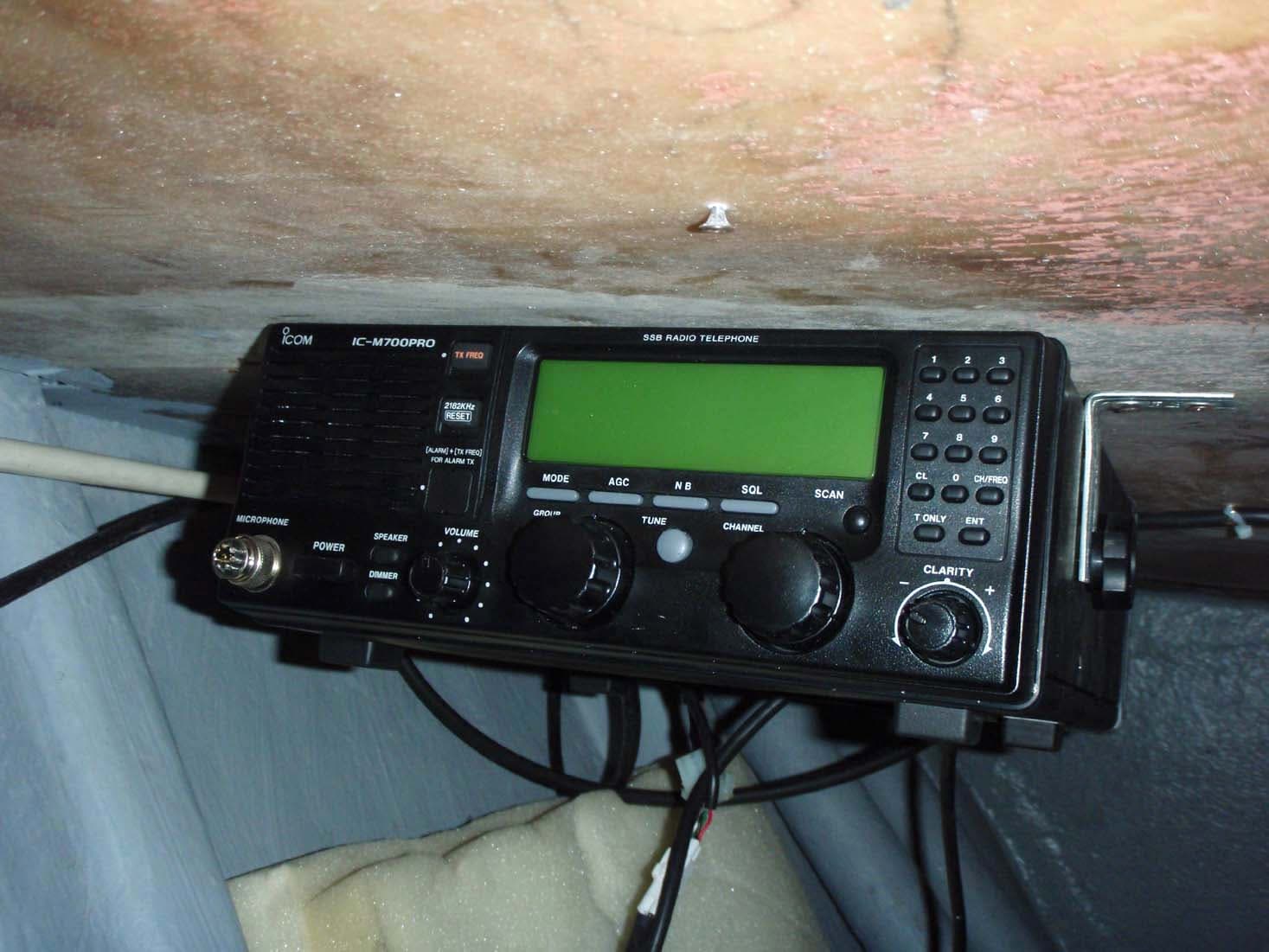
A marine VHF is a licensed transmitter. DSC is how a modern radio shouts for help with a position. ACMA qualifications and an MMSI are not optional extras.
Couple, climate and washing-up decide the number. A watermaker then has to replace that number in the hours you will tolerate the pump.
Australian Marine Wholesale was never a generic chandlery. The archived Coomera showroom specialised in Raymarine, Garmin, Furuno and Simrad electronics, Lumitec and Aqualuma lighting, Blue Water and Pacific Light desalination, Iris night vision, Victron power and the comms kit that keeps a boat legal and found.
Product pages go stale. The specification questions do not. This rebuild keeps the same beat as a long-form editorial desk, with published standards and a guest-post path for yards and technicians who still work the east-coast trade.
Heat, bloom and estuary silt are harder on membranes than ocean miles. Flush, pickle and pre-filters are the whole job.
Two families sat on the old AM Wholesale list. The useful differences are automation, frame style and the service bench that will still pick up in Queensland.
Size from litres per day and hours you will actually run the pump, not from a US-gallon sticker. Power, space and tropical maintenance decide the rest.
One battery starts the outboard. The other runs the sounder, the lights and the fridge. The useful bit is the isolator that stops a three-hour session killing the start.
Size an inverter for the one appliance you will not give up, then for the minutes it runs. A 3,000-watt sticker is not a meal plan.
Lithium wins on usable capacity and weight. AGM still wins on simplicity and heat-tolerant manners. The wrong drop-in is how you cook an alternator.
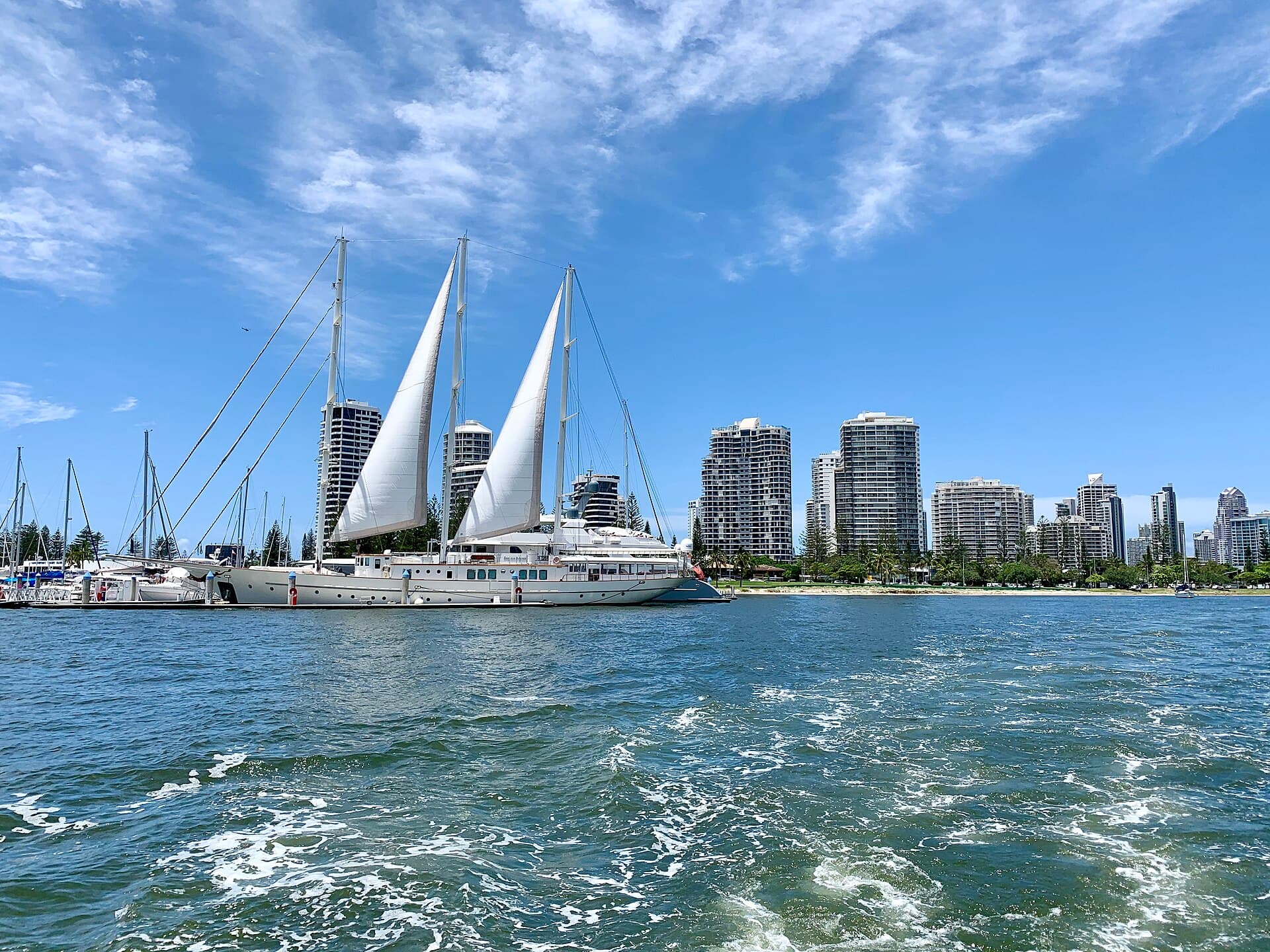
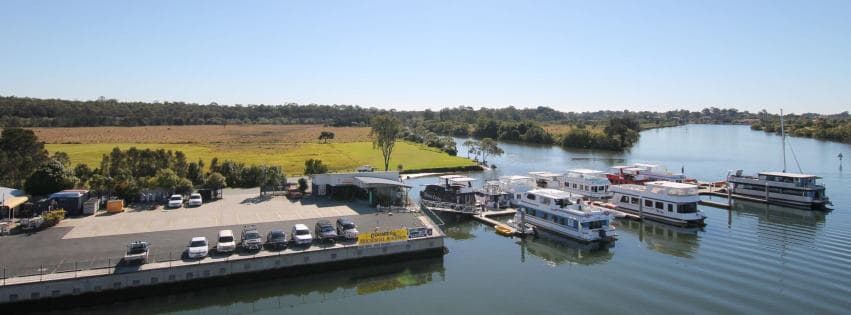
Photo: Coomera Houseboat Holidays on the Coomera River, Gold Coast by John Robert McPherson. Licensed under CC BY-SA 4.0. Source on Wikimedia Commons. Also listed on the AM Wholesale image credits page.