Watermakers · 10 min read · Updated 2026-08-30
How much fresh water does a cruising yacht need?
Couple, climate and washing-up decide the number. A watermaker then has to replace that number in the hours you will tolerate the pump.
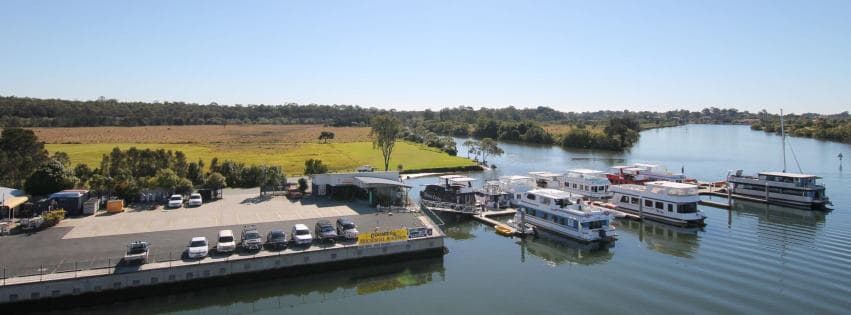
Photo: Coomera Houseboat Holidays on the Coomera River, Gold Coast by John Robert McPherson. Licensed under CC BY-SA 4.0. Source on Wikimedia Commons. Also listed on the AM Wholesale image credits page.
A watermaker specification that starts with a US-gallon sticker is backwards. Start with the people. Australian cruising water use is not Mediterranean water use: you are hotter, you rinse salt more often, and you will be tempted to live as if the Gold Coast still has a tap.
Count the people, then the habits
- Drinking and cooking: 4 to 6 litres per person is easy.
- Dishwashing: 5 to 15 litres, depending on whether you have a salt pre-rinse.
- Showers: the variable. A navy shower is 8 litres. A house shower is 40 and the reason your tanks die on Tuesday.
- Laundry: marina or a dedicated day of production, not a hidden line in the daily budget.
- Guests: double the comfortable number and run the pump in the morning.
Two careful adults in the Whitsundays can live on 50 litres a day. The same two adults plus a teenager and a deck wash cannot.
Tanks are reserve, not production
A 400-litre tank and no watermaker is a week for a careful couple and a long weekend for everyone else. A watermaker does not make tanks optional. It makes the marina hose optional. Keep at least 48 hours of your real budget in the tanks in case the high-pressure pump, the pre-filters or the estuary say no. See tropical maintenance.
Match production to hours, not pride
If you need 80 litres a day and you will run the unit for two hours, you need about 40 litres an hour — plus a margin for warm water and tired membranes. That is the number you take to choosing a watermaker and to the Blue Water versus Pacific Light comparison.
Power is part of the budget
Eighty litres at high pressure is electricity. Put it on the same whiteboard as the inverter kettle. Onboard power is not a different project. Liveaboards who already sized a 2,000-watt inverter have done this thinking once — see inverter sizing.
A worked Australian example
A 42-foot couple heading north from the Gold Coast, navy showers, salt washdown, no laundry at sea: 60 litres/day. Two hours of production: a 40-litre-an-hour class unit with tanks of 400 litres. Add a guest week or daily deck rinses and you have specified the next frame up, or a longer morning with the pump.
Frequently asked questions
- What is a realistic daily budget for two people in the tropics?
- 40 to 80 litres a day if you are careful with showers and you are not washing salt off a deck every afternoon. 100 litres is comfortable. 150 is a guest weekend or a boat that still thinks it is a house.
- Do tanks still matter if I have a watermaker?
- Yes. Tanks are the buffer for a broken pump, a dirty estuary and the day you do not want to hear the motor. Two days of water is the minimum grown-up reserve.
- Should I wash the deck with product water?
- Only if production is cheap on your boat. Most crews keep a salt-water washdown and save the membrane for bodies, cooking and the kettle.